Flatten a Mildly Warped Vinyl Record: The Glass Pane Method
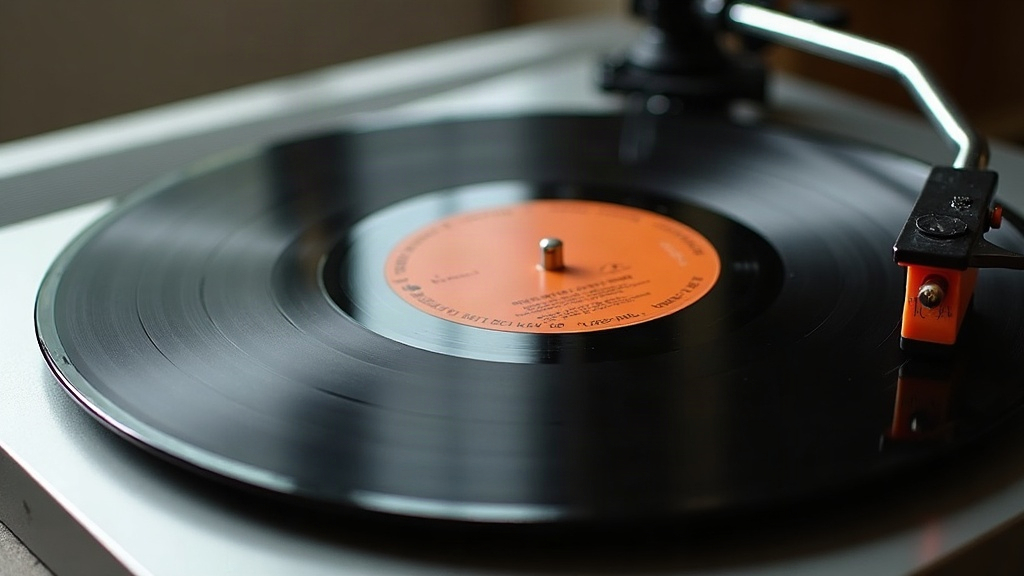
A mildly warped record isn’t automatically trash-bound. There’s a trick called the glass pane method: two flat sheets of glass, low oven heat, and a good dose of patience, and you can press a warped record back into shape right on your kitchen counter. No need to buy an expensive flattening machine. Done right, it can rescue records with a slight dish or edge warp without chewing up the grooves. Here’s exactly how to pull it off without wrecking anything.
Why Records Warp in the First Place
Vinyl is a thermoplastic. It softens when heated and hardens again once it cools, which is the whole reason this fix works at all. Records tend to warp when they’re:
- Stored flat in stacks, where the weight slowly bends them over months
- Left near a heat vent, baking in a hot car, or sitting in direct sunlight
- Pulled from a sleeve that’s applying uneven pressure
- Pressed on cheaper vinyl that was never that stable to begin with
Mild warps, the kind of slight wave you notice when you spin the record on a flat table, or a gentle dish shape, are the best candidates here. If you’re looking at a severe warp, a crack, or any visible groove damage, don’t try this method. Just don’t.
What You’ll Need
- Two pieces of flat tempered glass, a bit bigger than the record (picture frame glass is perfect for this)
- An oven (a toaster oven can work, but a regular oven heats more evenly)
- An oven thermometer (your oven’s built-in dial lies more often than you’d think)
- A clean, lint-free cloth
- Heat-resistant gloves
- Patience, because this is a slow, low-temperature job, not a quick fix
Step-by-Step: The Glass Pane Method
1. Clean the Record First
Any dust or grit trapped between the glass and the vinyl during heating gets pressed permanently into the grooves. Give the record a proper clean with a carbon fiber brush or a cleaning solution before you do anything else.
2. Sandwich the Record Between Glass
Lay the record flat between the two glass panes, centered so no edge of the vinyl sticks out past the glass. The glass spreads pressure evenly across the whole surface as the vinyl softens up.
3. Preheat the Oven Low, 150°F to 165°F (65°C–74°C)
This number matters more than anything else in this whole process. Vinyl usually starts softening around 160–170°F (71–77°C), and most records are rated to handle heat up to about 140°F before things get risky. Staying in that 150–165°F window gives you enough pliability without melting the grooves or warping the label.
4. Heat in Short Intervals
Slide the glass sandwich into the oven for 3 to 5 minutes at a stretch. Check on it between intervals instead of leaving it baking for one long session. Short bursts give you control and keep you from cooking the record by accident.
5. Let It Cool Under Weight
Once the record feels slightly pliable (test gently through the glass, and don’t leave the oven door open too long checking), kill the heat and let the whole glass sandwich cool down inside the oven, untouched, for at least 1 to 2 hours. The vinyl needs to re-harden flat, still under the weight of the glass. Pull it out too soon and the warp can come right back.
6. Inspect and Repeat if Needed
Once everything’s cooled completely, take the record out and lay it on a flat surface to check it. Mild warps usually need 2 or 3 heating cycles to really flatten out. If you’ve done three attempts and nothing’s changed, the warp is probably too severe for this fix.
Common Mistakes to Avoid
- Cranking the heat too high, too fast. High heat can melt the grooves or warp the label area unevenly.
- Skipping the oven thermometer. Oven dials are commonly off by 20 to 30°F, which is more than enough to ruin a record.
- Pulling the record out while it’s still warm. Cooling under pressure is literally what locks the flat shape in place.
- Using non-tempered or textured glass. Any bump or irregularity in the glass transfers straight onto the vinyl.
- Trying this on severely warped or cracked records. Those are better off with a professional flattening service, or just replaced.
When to Call a Professional Instead
If a record is valuable, rare, or warped more than a quarter inch from flat, skip the DIY route and look into a dedicated flattening service or machine. They use calibrated heat and vacuum pressure, which is a much safer bet if the pressing is irreplaceable.
Final Thoughts
The glass pane method is a cheap, surprisingly effective way to rescue mildly warped records using stuff most people already have lying around the house. The real key is low, controlled heat, patience during the cooling stage, and being honest with yourself about what counts as “mild” versus “severe” damage. Treat it as a slow, incremental process, not a one-shot miracle fix, and you’ll end up bringing a decent stack of records back to playable shape.