Poly-Lined Paper vs HDPE Inner Sleeves for Long-Term Archival
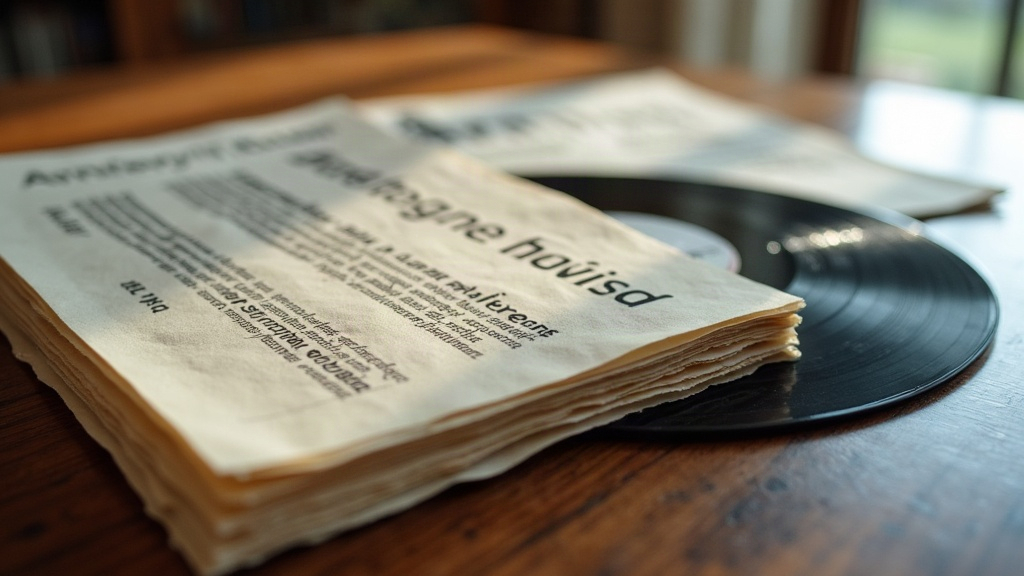
If you’re trying to decide between poly-lined paper and high-density polyethylene (HDPE) inner sleeves for archival storage, here’s the blunt version: HDPE wins on moisture resistance and chemical stability, poly-lined paper wins on rigidity and everyday scuff protection. For anyone storing vinyl, film negatives, or old documents that need to survive decades, this isn’t a trivial choice. The wrong sleeve won’t ruin your collection overnight, but it’ll quietly degrade it while you’re not looking.
This guide walks through the actual differences so you can pick the right sleeve for what you’re actually trying to preserve.
What Are Poly-Lined Paper Sleeves?
Poly-lined paper sleeves are a hybrid: a paper or board shell with a thin plastic (usually polyethylene) liner glued or laminated to the inside. The paper gives it backbone, the plastic layer keeps the paper fibers from touching whatever’s stored inside.
Pros:
- Stiffer, holds its shape in storage boxes instead of flopping around
- Resists bending and crushing better than plain plastic
- Cheap per unit, which matters if you’re archiving hundreds or thousands of items
- Cuts down paper-to-media contact, though it doesn’t eliminate it
Cons:
- Unless it’s specifically labeled acid-free and lignin-free, the paper can still carry lignin, acid, or sulfur compounds
- The plastic lining is often thin enough to delaminate after a few years
- Exposed paper edges soak up humidity more readily than you’d want
What Are HDPE Inner Sleeves?
HDPE sleeves are pure plastic, no paper anywhere in the construction. This is what you’ll find in professional archives, museums, and the collections of vinyl obsessives who’ve already lost records to bad sleeves once. HDPE is chemically inert: it won’t off-gas, yellow, or react with inks, photo emulsions, or vinyl compounds.
Pros:
- Chemically stable across decades; it won’t leach plasticizers the way PVC does
- Moisture-resistant by nature, it doesn’t wick humidity like paper fibers do
- Smooth, low-friction surface means less scuffing on records and photo prints
- Meets most archival material standards (often tested against ISO 18916 for photographic materials)
Cons:
- Feels flimsier in the hand compared to a paper-backed sleeve
- Costs a bit more per sleeve
- Can build up static and pull in dust if it’s not anti-static treated
Which One Actually Matters for Long-Term Archival?
Here’s the thing most people underestimate: the real enemy isn’t wear and tear from handling, it’s chemical degradation happening slowly in the background. Give it 10, 20, 50 years and you’ll see the difference:
- Non-archival paper releases acids over time, causing foxing, brittleness, and that yellow-brown discoloration you’ve probably seen on old books.
- PVC-based plastics (not the same as HDPE) break down and release plasticizers, leaving a sticky residue that record collectors grimly call “vinyl rot.”
- HDPE and polypropylene (PP) are the two plastics considered genuinely safe for long-term contact with sensitive media, precisely because they stay inert and don’t break down chemically.
If you’re preserving something for the long haul (rare pressings, historical paperwork, old negatives, original prints), HDPE is the safer bet, full stop. If you’ve got a working collection that gets pulled out and handled regularly and just needs basic protection from scratches and dust, poly-lined paper does the job and costs less.
Practical Recommendations
- Vinyl records for long-term storage: Go with HDPE or polypropylene inner sleeves, and pair them with a sturdy outer paper or poly jacket for structural support.
- Photographic negatives and prints: Stick to sleeves explicitly labeled as meeting ISO 18916 (the Photographic Activity Test). Plenty of HDPE and polyester (Mylar) products qualify.
- Important paper documents: Combine acid-free, lignin-free folders with polyester (never PVC) sleeves. You get rigidity and chemical safety in one package.
- Budget bulk storage: Poly-lined paper is fine for lower-value items or things you rotate through often, just don’t use it for anything you can’t replace.
A Quick Buying Checklist
- Check paper-based products for “acid-free,” “lignin-free,” and “PVC-free” labeling.
- For plastic sleeves, confirm the exact material: HDPE, LDPE, and polypropylene are safe choices; steer clear of PVC and vinyl-chloride blends.
- Look for archival certification references (ISO 18916, Library of Congress guidelines) before trusting anything valuable to a sleeve.
- Store items vertically, away from sunlight and humidity swings, no matter which sleeve type you choose. This matters almost as much as the sleeve itself.
Conclusion
For genuine long-term preservation, HDPE inner sleeves beat poly-lined paper hands down, mostly thanks to chemical stability and moisture resistance. That said, poly-lined paper still earns its place for everyday handling and lower-stakes collections where cost matters more than permanence. But if you’re trying to preserve something for decades, or hand it down to someone else eventually, spend the extra few cents on HDPE or polypropylene sleeves and acid-free outer materials. That small price difference is nothing compared to what it costs to replace an original you can’t get back.