Protecting Your Record Collection in a Summer Heatwave (No AC)
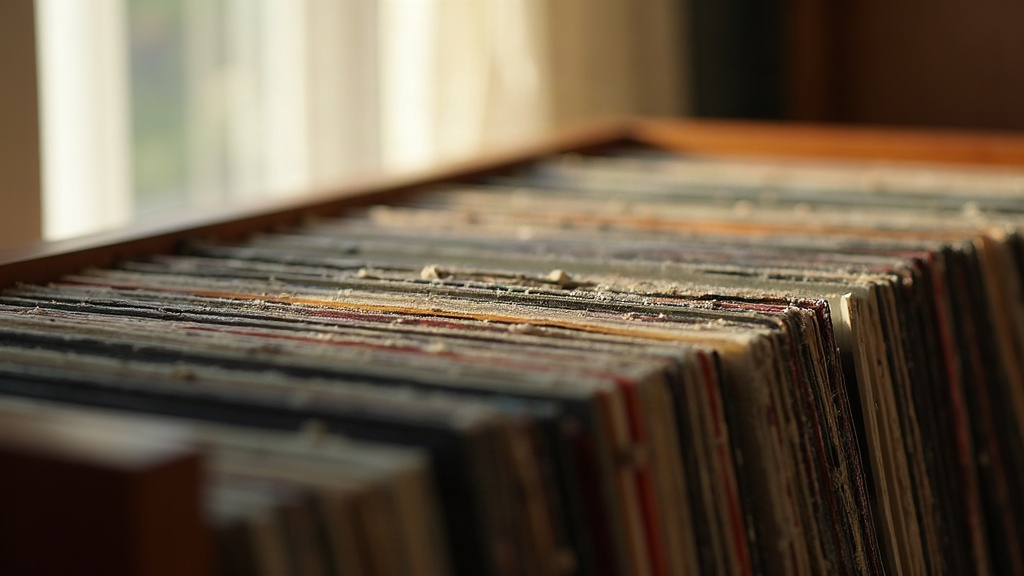
A summer heatwave can warp your vinyl for good, soften the glue on sleeve seams, and give mold the perfect opening into your collection. Without central air, the odds get worse fast. The good news: you don’t need a dedicated climate-controlled room to keep your records safe. A bit of smart placement, a handful of cheap tools, and some consistent habits will get you through even a brutal heat spike.
Why Heat Is So Dangerous for Vinyl
Vinyl is PVC, and PVC starts softening around 140°F (60°C). But here’s the catch: damage doesn’t wait until then. It starts creeping in much earlier.
- 70–85°F (21–29°C): Fine for long-term storage.
- 85–100°F (29–38°C): This is the danger zone. Records can start to warp here, especially if there’s any pressure on them or direct sun hitting them.
- 100°F+ (38°C+): Now you’re looking at real risk, permanent warping, ring wear, sleeves coming apart at the seams.
Think about how hot a parked car gets, or an attic, or a shelf that catches afternoon sun. Those spots can blow past 120°F during a heatwave even when the rest of the room feels perfectly livable. That’s the real lesson here: where you store your records matters just as much as whatever the thermostat says outside.
Step 1: Find the Coolest Spot in Your Home
No AC? Fine. Your job is to scout out the naturally cool pockets your house already has.
- Basements are about as good as it gets: steady temps, barely any sunlight getting in.
- North-facing interior rooms run noticeably cooler than anything facing south or west.
- Interior closets (the ones not backed up against an exterior wall) soak up less of the outdoor heat swing.
- Steer clear of attics, garages, sunrooms, or anywhere near a window that gets direct afternoon light.
If a warmer room is your only option, at least pull the records away from windows, radiators, and exterior walls, since those surfaces soak up heat all day long and slowly release it into the room.
Step 2: Store Records Vertically, Never Flat or Stacked
Here’s the thing about heat: it makes vinyl soft and pliable, which means pressure that was harmless in winter becomes a real threat in July.
- Keep LPs upright, like books on a shelf, with just enough neighboring pressure to hold them in place, nothing more.
- Never stack records flat. Even a stack of five or six can warp under enough heat.
- Don’t let records lean at an angle for weeks on end either. That slow tilt causes uneven warping you won’t notice until it’s done.
Step 3: Keep Sunlight Away Completely
If you want to ruin a collection fast in summer, direct sunlight will do it quicker than almost anything else.
- Close blackout curtains or blinds during peak sun hours, roughly 11am to 4pm.
- Don’t store records near a window at all, even one that “seems” shaded most of the time. Sun angles shift through the season.
- And it’s not just the vinyl: UV exposure fades cover art and dries out paper sleeves until they get brittle.
Step 4: Use Low-Tech Cooling Strategies
You don’t need central air to manage the temperature in a room. A few old-school tricks go a long way:
- Box fans + cross-ventilation: Run them at night when it’s cooler outside, then shut the windows and blinds in the morning to trap that cool air in before the heat builds.
- Portable AC or window unit: You don’t need to cool the whole house, just the one room where the records live.
- Frozen water bottles + fan: An old apartment trick. Set a few bottles in front of a fan and you’ll get a few hours of real relief during the worst afternoon peaks.
- A cheap thermometer with alerts: A $15 digital hygrometer/thermometer lets you check conditions from your phone and catch a dangerous spike before it does damage.
Step 5: Watch Humidity, Not Just Heat
Heatwaves rarely travel alone, humidity usually tags along, and that combination opens the door to mold and mildew on paper sleeves and labels.
- Try to keep humidity somewhere in the 35–50% range.
- A small dehumidifier or a few silica gel packets tucked into enclosed cabinets can handle a lot of the work.
- Make sure air can actually move around your storage area. Sealed boxes trap heat and moisture together, which is about the worst combination your collection can face.
Step 6: Upgrade Your Sleeves and Storage Furniture
- Swap in archival poly-lined inner sleeves. They cut down on static and reduce the surface contact stress that causes scuffing.
- Skip plastic storage bins in hot weather. Plastic traps heat inside and can off-gas chemicals that slowly degrade both vinyl and sleeves.
- Go with wood or metal shelving instead of pressed particleboard. Particleboard warps and releases moisture when it gets hot, which is exactly what you’re trying to avoid.
Quick Heatwave Checklist
- ✅ Move records to the coolest interior room you’ve got
- ✅ Store them vertically, away from any window
- ✅ Run fans at night, seal the room up during the day
- ✅ Track temperature and humidity with a cheap gauge
- ✅ Switch to poly-lined sleeves and sturdy shelving
- ✅ Never leave records in a car, not even for “just a minute”
Final Thoughts
Keeping a vinyl collection safe through a heatwave without central air really comes down to three things: smart positioning, decent airflow, and paying a little attention each day. You don’t need a climate-controlled vault in your basement. A cool interior room, vertical storage, good ventilation habits, and a cheap thermometer will cover most of what you need. Get those pieces in place and your records will make it through even the nastiest summer stretch without a scratch.