How to Properly Clean Vintage 78 RPM Shellac Records Safely
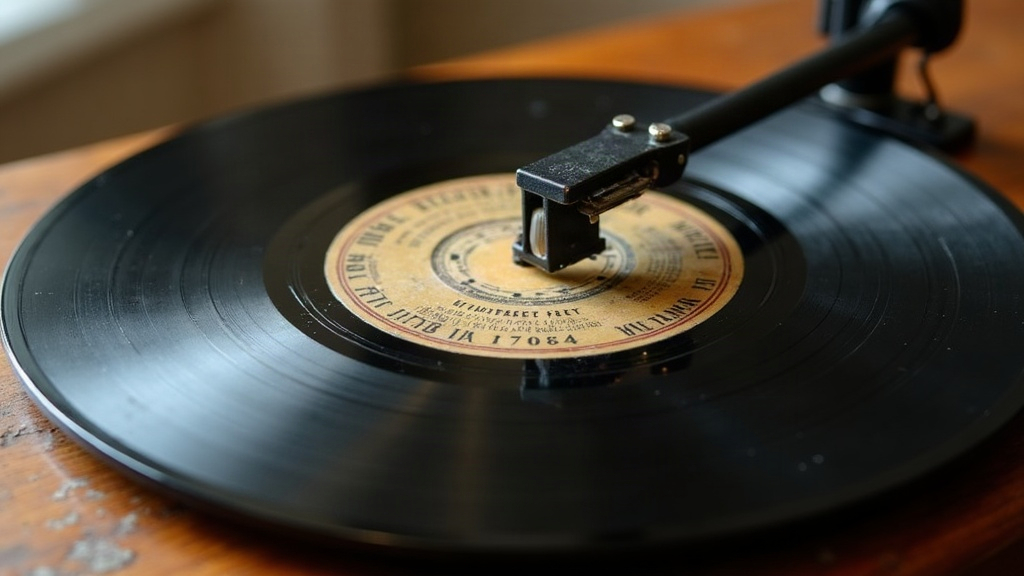
Cleaning vintage 78 RPM shellac records takes a different touch than cleaning modern vinyl. Shellac is brittle, sometimes water-soluble, and scratches far more easily than PVC. The short version: lukewarm distilled water, a mild pH-neutral soap, soft microfiber or velvet applicators, and drying the record standing up, away from any heat source. Skip alcohol-based cleaners, skip abrasive brushes, and skip standard vinyl cleaning fluids entirely. Any of those can strip the shellac coating or leave a white haze that never comes out.
Why Shellac Records Need Special Care
Records pressed before the early 1950s weren’t made from PVC at all. They’re shellac resin mixed with clay fillers and cotton fiber, a completely different animal from a 1978 LP. That composition makes them:
- More brittle. Drop one, or even flex it slightly, and it can crack or chip.
- More porous. Grime works its way deeper into the grooves than it would on vinyl.
- Chemically sensitive. Plenty of solvents that are perfectly fine on vinyl will dissolve or dull shellac on contact.
- Prone to warping. A little heat, a little moisture, and the disc can distort permanently.
So the method you’d use without a second thought on a modern LP can wreck a 1928 shellac disc for good.
What You’ll Need
- Distilled or filtered water (tap water leaves mineral deposits behind)
- A few drops of mild dish soap, fragrance-free, no degreasers
- Two soft microfiber cloths, or a velvet record brush
- A soft-bristle brush (camel hair or anti-static carbon fiber works well)
- A drying rack, or a clean towel set up so the record can dry vertically
- Cotton gloves, optional, mainly to keep fingerprint oils off the surface
Leave isopropyl alcohol, ammonia glass cleaners, and commercial vinyl solutions on the shelf unless the label explicitly says safe for shellac. Most don’t, and that’s not an accident.
Step-by-Step Cleaning Process
1. Dust First, Always
Before any liquid gets near the record, clear off loose dust and debris with a soft carbon-fiber brush. Go with the grooves, not in circles. Circular motion just grinds grit deeper instead of lifting it off.
2. Prepare a Mild Cleaning Solution
A few drops of gentle dish soap in a bowl of lukewarm distilled water is plenty. The water should feel barely soapy, almost like you forgot the soap. Too much suds and you’ll be fighting residue for the rest of the process.
3. Clean in Small Sections
Dip a microfiber cloth into the solution, wring it out so it’s damp rather than wet, and wipe gently along the grooves in short, straight strokes. No circles here either. And whatever you do, don’t submerge the whole disc for any length of time. Labels dissolve, adhesive loosens, and you can’t undo that.
4. Rinse With Plain Distilled Water
Grab a second cloth, dampen it with plain distilled water, and wipe off the soap film. Don’t skip this. Leftover soap attracts dust like a magnet and can cause crackling when you finally drop the needle.
5. Dry Vertically and Naturally
Stand it upright in a rack, or lean it carefully against something soft. Paper towels are out (lint city), and so are hairdryers, direct sunlight, or anything near a heater. Heat is the enemy here; it warps shellac permanently, no second chances.
Common Mistakes That Ruin Shellac Records
- Reaching for alcohol or vinyl cleaners. They strip the shellac’s surface sheen right off.
- Rinsing under the tap. Minerals in tap water dry straight into the grooves.
- Scrubbing like it’s a dirty dish. Shellac scratches far more easily than vinyl does.
- Laying wet records flat to dry. Trapped moisture invites mold and warping.
- Drenching the label. Paper labels aren’t waterproof; go easy or avoid them altogether.
How Often Should You Clean 78s?
Clean only when there’s an actual reason to: before the first play, right after pulling a batch from an estate sale, or when grime is audibly affecting sound. Cleaning too often, even gently, wears the surface down over time. If a record’s already been cleaned properly once, a light dusting before each play is generally all it needs.
When to Consult a Professional
Heavy label damage, mold, or a genuinely rare and valuable pressing? That’s the point where DIY starts to feel risky. Archival cleaning services exist for exactly this, and some use ultrasonic cleaners calibrated specifically for shellac, far gentler than anything done by hand, especially worth it for a high-value collection.
Final Thoughts
It really comes down to patience and holding back. Distilled water, mild soap, soft materials, vertical drying. That combination protects both the sound and the physical integrity of these fragile pieces of history. Skip the alcohol, skip the scrubbing, and when you’re not sure, clean less rather than more.