The Safest Ways to Frame and Display Double Gatefold Record Sleeves
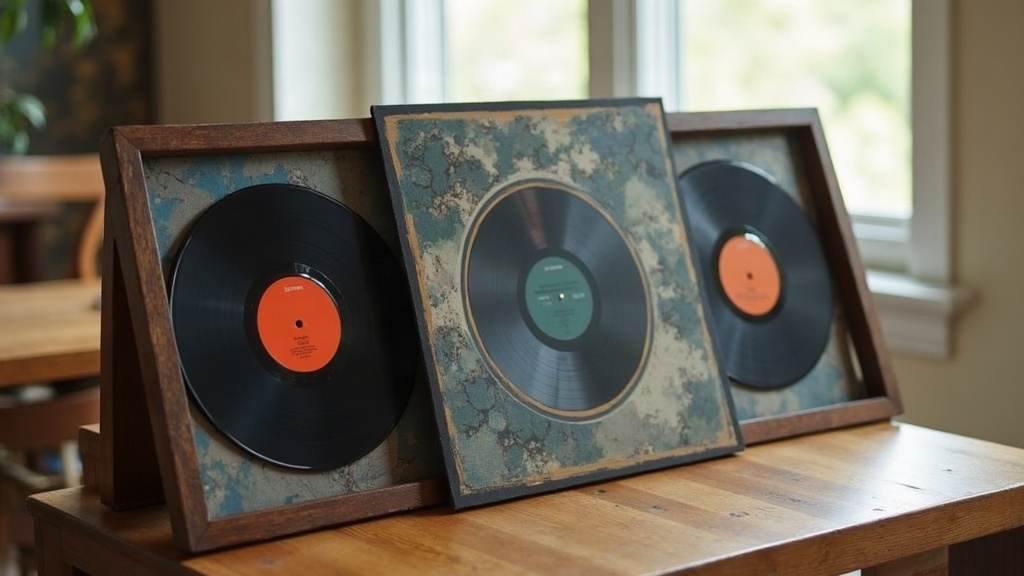
How to Frame a Double Gatefold Record Sleeve the Right Way
Framing a double gatefold is one of the best ways to turn a beloved album into real wall art. But gatefolds aren’t like standard single sleeves. They’re wider, heavier, and that center crease makes them genuinely fragile in a way a normal 12x12 cover just isn’t. The tricks that work fine for a regular sleeve can actually damage a gatefold if you’re not careful.
The safest route combines archival-grade materials, mounting that skips glue and tape entirely, and UV-protective glazing, all sized to match whichever dimensions you’re working with, open or closed.
This guide walks through exactly how to frame a double gatefold without wrecking the artwork, the vinyl inside, or that delicate spine, while still ending up with something that actually looks good on your wall.
Why Double Gatefolds Need Special Care
Fully unfolded, a double gatefold opens like a book and runs roughly twice the width of a standard sleeve, somewhere around 24 inches wide by 12 inches tall. That extra width, plus the crease down the middle, creates a handful of risks you don’t deal with on a normal cover:
- The spine fold is a stress point. Open and close it too many times, or mount it wrong, and that crease will crack or tear.
- Standard 12x12 frames won’t fit. You’ll need something custom or extra-wide, or you’ll have to settle for displaying it closed.
- Weight adds up fast. Bigger glazing and backing boards weigh more, so your wall anchors and frame rigidity matter a lot more than they would for a 7-inch single.
- The vinyl still needs protecting. A lot of collectors want to keep the actual record in the sleeve, which means the frame has to handle that extra bulk without crushing anything.
Step 1: Decide Open or Closed Display
Before you even look at frames, figure out how you want this thing shown:
- Closed, front cover only: Fits a standard 12.5” x 12.5” frame. Cheapest, easiest, no custom order needed.
- Fully open, both inner panels showing: You’ll need a custom frame around 25” x 12.5”, usually made to order since off-the-shelf options at this width are rare.
- Vinyl in or vinyl out: Keeping the record inside adds real thickness and weight. Plan for a deep shadow box here, not a flat frame, or you’ll be fighting the bulge.
If the inside spread has something genuinely special, say a continuous panoramic design that only makes sense unfolded, it’s worth paying for the custom frame. That’s the whole point of a gatefold in the first place.
Step 2: Choose Archival, Acid-Free Materials
Cardboard sleeves and printed ink don’t age well under acid migration, humidity, or light. Think about any cheap poster you framed in high school that yellowed within a couple years, same principle applies here, except now it’s a collectible. Use:
- Acid-free, lignin-free matting and backing board so the sleeve doesn’t yellow over time.
- UV-filtering acrylic or museum glass instead of regular glass. Standard glass lets UV rays straight through, and printed colors can noticeably fade within just a few years of sun exposure.
- Archival polyester sleeves (Mylar, for instance) as an inner layer if the cover is going to be handled at all before it goes into the frame.
Skip the foam-core backing with adhesive coatings touching the sleeve directly. Cheap foam off-gasses over decades, and that discolors paper you’ll never be able to fully clean.
Step 3: Mount Without Glue or Tape
Never glue, tape, or laminate a gatefold straight onto a backing board. Instead:
- Use archival photo corners (acid-free, removable) to hold the edges in place without touching the printed surface.
- For heavier shadow boxes, clear polyester straps or mounting clips hold the sleeve against the backing without piercing it anywhere.
- Displaying with the vinyl still inside? Add foam spacers around the inner frame edge so the glass isn’t pressing directly against the raised record.
The point here is reversibility. Done this way, you can pull the sleeve back out years from now with zero residue and zero damage. Try doing that with a sleeve someone taped down in 2019.
Step 4: Support the Center Fold
On a fully open display, the center crease is carrying the most tension by far:
- Pick a frame with a rigid backing board, at least 1/8” thick, so the sleeve doesn’t bow or sag right at the hinge.
- If you need extra reinforcement, a thin strip of acid-free hinge tape can go on the back of the fold only, never on the front, never anywhere near visible artwork.
- Steer clear of frames that rely on spring clips alone for a piece this size. They just don’t distribute pressure evenly across 24 inches of width, and you’ll see it in the sag after a few months.
Step 5: Hang It Safely
Once it’s framed:
- Use two mounting points, not a single center hook. Wide gatefold frames tilt constantly on one hook, and nobody wants to keep re-leveling a framed Pink Floyd cover every month.
- Keep it out of direct sunlight and away from heat vents. Even UV glass doesn’t make a frame immune to fading and warping if it’s baking next to a window all day.
- With a shadow box holding actual vinyl, double-check your wall anchors can handle the extra weight, often 5 to 10 pounds more than a flat print of the same size.
Common Mistakes to Avoid
- Trying to cram a fully opened gatefold into a standard 12x12 record frame. It won’t fit, full stop.
- Laminating the sleeve “to protect it.” This traps moisture underneath and causes damage you can’t undo.
- Skipping desiccant packs in humid climates, which invites mold on the paper backing.
- Using non-UV glass on a frame that’s going anywhere near a window.
Final Thoughts
A double gatefold deserves more than a rushed trip to a big-box frame shop. The safest setup pairs acid-free materials, UV-protective glazing, and non-adhesive mounting, sized correctly for whichever display you choose, closed cover or full open spread. Get it right and you end up with something that lasts: the printed artwork stays protected, the vinyl inside (if it’s there) stays safe, and you never risk the crease, the color, or the collectible value of the original pressing.