Elliptical vs. Microline Stylus: Which Upgrade Fits Your Turntable?
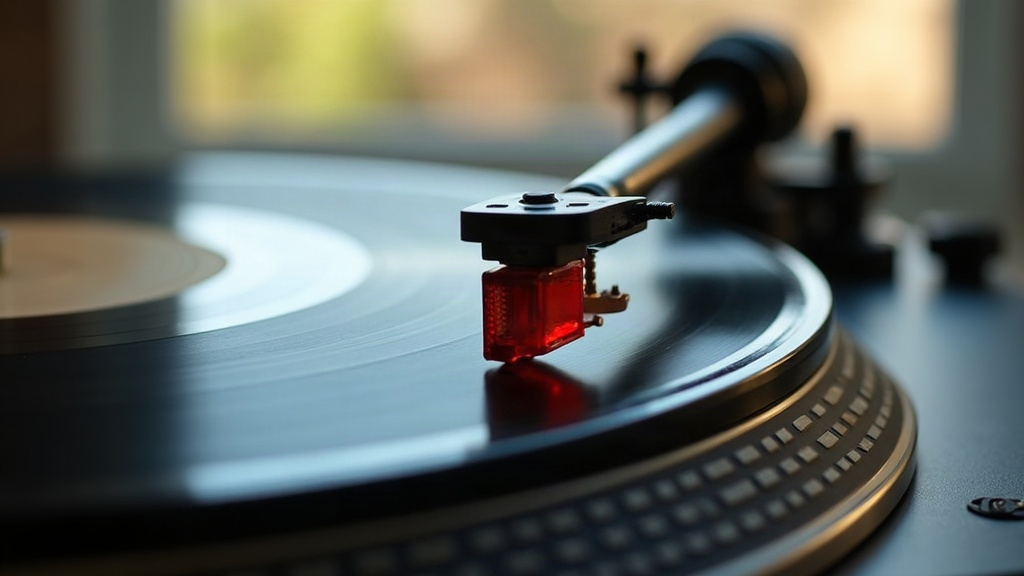
Upgrading your turntable stylus is one of the cheapest ways to get a real jump in sound quality, no need to replace the whole cartridge, let alone the turntable itself. The two paths most people end up weighing are elliptical and microline stylus profiles. Which one makes sense for you comes down to budget, what kind of records you’re spinning, and honestly, how much you care about babying your vinyl over the next twenty years.
What a Stylus Profile Actually Does
The stylus tip is the only part of your whole system that physically touches the record. Everything else, the cartridge, the phono stage, the amp, is downstream of whatever that tiny diamond manages to pick up. Its shape decides how well it can trace the tiny wiggles cut into the groove walls. A better-shaped tip:
- Picks up more of the high-frequency detail buried in the groove walls
- Cuts down tracing distortion, especially toward the inner grooves where things get cramped
- Sits on less-worn parts of the groove, which means less wear on the record itself
- Can stretch the life of both the stylus and the records it plays
Entry-level turntables (your typical Audio-Technica or Pro-Ject starter deck) almost always come with a conical (spherical) stylus out of the box. Moving up to elliptical or microline is the obvious next move once you’ve outgrown that.
Elliptical Stylus: The Popular Mid-Tier Upgrade
An elliptical stylus has a tighter contact radius on the horizontal plane compared to a conical tip, which lets it follow higher frequencies much more faithfully.
Pros:
- Clearly sharper detail and imaging than a conical stylus
- Easy to find, this is what you get in cartridges like the Ortofon 2M Blue or Audio-Technica AT-VM95E/ML
- A bit more tolerant of imperfect tracking force or alignment
- Reasonably priced, usually $50 to $200 for just the stylus
Cons:
- Still rides on one fixed contact point along the groove wall, so uneven wear creeps in over time
- Doesn’t dig into the extreme highs the way a microline tip does
For most people, elliptical is the sweet spot. It’s a genuine step up from stock without pushing you into audiophile pricing.
Microline Stylus: The Precision Upgrade
Microline (you’ll also see it marketed as MicroRidge, Shibata, or Line Contact, depending on the manufacturer) is shaped to closely match the cutting stylus that mastered the original record in the first place. In practice that means a much longer, narrower contact patch running vertically along the groove.
Pros:
- Tracks the groove with noticeably more accuracy, particularly up in the high frequencies
- Spreads out contact pressure over a longer surface, so it’s gentler on the record
- Can pick up detail even in slightly worn grooves that an elliptical or conical tip would just skate over
- The go-to choice for audiophiles chasing every last bit of detail
Cons:
- Pricier, typically $150 to $500 or more
- Needs careful setup, VTA, azimuth, overhang, all dialed in. Sloppy alignment and you’ve basically wasted the upgrade
- More sensitive to tracking force mistakes and can wear out faster if the setup isn’t right
Which One Should You Choose?
A few honest questions to ask yourself first:
- Is your turntable actually set up properly? Microline rewards precision, full stop. If your tonearm alignment is even a little off, stick with elliptical, it’s far more forgiving.
- What’s your budget look like? An elliptical swap (say, dropping an AT-VM95ML stylus onto an existing AT-VM95 body) gets you a lot for not much money. Microline is a bigger commitment, and it’s really only worth it on a cartridge body in the $200+ range.
- How much do you care about record longevity? Got rare pressings or first editions sitting on your shelf? Microline’s larger contact footprint is kinder to grooves over the long haul.
- Chasing maximum fidelity? Microline wins here, consistently, especially on well-mastered, dynamic recordings where the extra resolution actually shows up.
A Practical Upgrade Path
A lot of cartridge lines let you swap just the stylus without buying a whole new cartridge body, Audio-Technica’s VM95 series is the textbook example of this. A sensible way to move through the upgrades:
- Stock conical → Elliptical stylus (cheap, immediate improvement)
- Elliptical → Microline (once your turntable setup and wallet are ready)
Doing it this way means you actually hear the difference at each step, instead of guessing blind which profile fits your ears and your gear.
Final Thoughts
Both elliptical and microline are real upgrades over a stock conical tip, but they’re built for different priorities. Elliptical is the practical, budget-friendly pick for most listeners who want a clear bump in sound quality without overthinking it. Microline is for people with a properly tuned turntable who want the closest thing to hearing the master tape, and who don’t mind paying extra for both the stylus and the setup time it demands. Match the stylus to what your turntable can actually deliver, and to what you’re personally listening for, and either upgrade will pay off.