MM vs MC Cartridges for Classic Rock Albums: Which Wins?
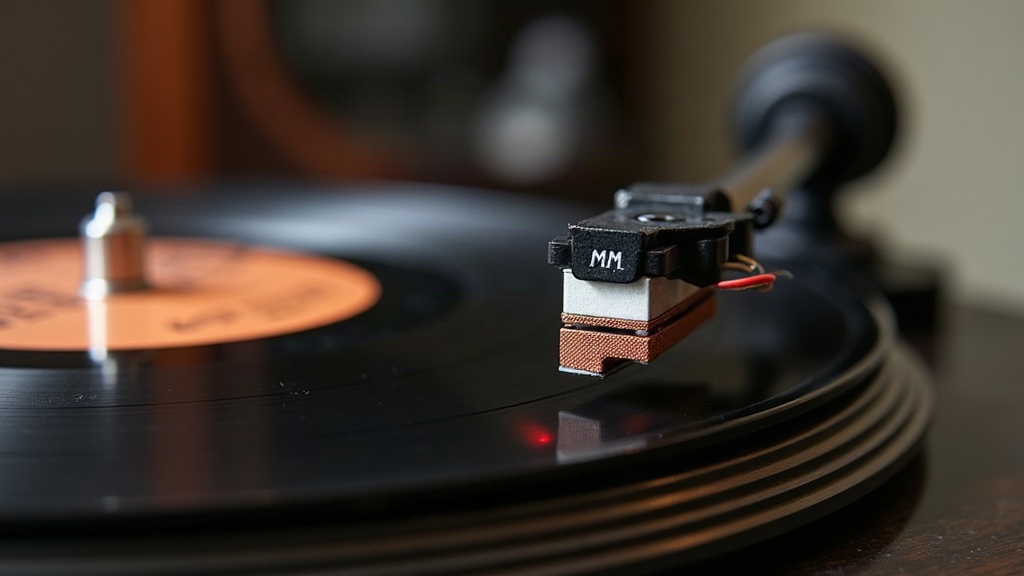
If you’re putting together a turntable setup with classic rock in mind (Led Zeppelin, Fleetwood Mac, AC/DC, Pink Floyd, that whole shelf), the cartridge you pick ends up mattering more than almost anything else in the chain. Here’s the short version: Moving Magnet (MM) cartridges are the smarter starting point for most classic rock listeners, because of their punchy midrange, forgiving tracking, and lower price tag. Moving Coil (MC) cartridges pay off mostly for people running higher-end systems who want to squeeze extra detail and dynamic nuance out of well-mastered reissues. Let’s get into why, with some real examples along the way.
How MM and MC Cartridges Actually Differ
Both types do the same basic job: turn the stylus’s physical wiggle into an electrical signal. They just go about it differently.
- Moving Magnet (MM): A tiny magnet sits on the cantilever and moves inside fixed coils. This gives you a higher output, usually 3-6mV, and it plays nice with any standard phono preamp.
- Moving Coil (MC): Here the coils move, inside a fixed magnetic field. Output drops way down, to around 0.2-2.5mV, which generally means you need a step-up transformer or a phono stage with dedicated MC gain.
That technical split shapes everything downstream: how the music sounds, what gear it works with, and how much it costs. And all three of those matter a lot if your shelves are stacked with classic rock.
Why MM Cartridges Suit Classic Rock So Well
A lot of classic rock from the 60s through the 80s was mixed for punch and midrange presence, not audiophile delicacy. Engineers wanted guitars and vocals to hit you in the chest, not whisper subtle overtones. MM cartridges tend to play right into that:
- Bold midrange: Robert Plant’s wail or Mick Jagger’s snarl comes through warm and immediate, right where it should.
- Forgiving tracking: A lot of classic rock pressings, especially original 70s vinyl that’s been through a few hundred spins, have surface wear or deeper, heavier-cut grooves. MM cartridges, often run with a slightly heavier tracking force, ride through that wear more gracefully than you’d expect.
- Lower cost, easy swaps: Something like the Audio-Technica AT-VM95 series or the Ortofon 2M Red/Blue lets you try different stylus profiles without touching your phono stage at all.
- Universal compatibility: Pretty much every budget and mid-range phono preamp on the market handles MM straight out of the box, no extra gain stage needed.
If your collection is a mix of beat-up original pressings and newer reissues, MM is just the more practical choice. No drama, no extra boxes to buy.
When MC Cartridges Make Sense for Rock Fans
MC cartridges really earn their keep with high-quality reissues and remasters, think Mobile Fidelity (MoFi) or Analogue Productions pressings of Rumours or Dark Side of the Moon. On vinyl that clean, you start to hear what MC does best:
- Greater detail retrieval: More air between layered guitars, cymbals, and backing vocals that would otherwise blur together.
- Faster transient response: A snare hit or a distorted guitar attack feels sharper, more textured, almost like it snaps instead of thuds.
- Lower moving mass: This can tighten up tracking accuracy on pristine vinyl, though it’s far less forgiving if the record has scratches or a warp.
The catch is cost and hassle. MC cartridges, Ortofon Quintet Bronze, Denon DL-103, Hana SL, typically start around $300-$500, and you’ll need a phono stage that supports them, which can tack on another $200 or more to the budget.
Practical Recommendations by Listener Type
- Casual classic rock fan with a mixed, well-used collection: Go MM. An Ortofon 2M Blue or Audio-Technica VM540ML gives you great value and reliable tracking without second-guessing every groove.
- Audiophile with high-quality reissues and a dedicated phono stage: Consider MC. A Denon DL-103 or Hana SL will pull more out of those remastered pressings than you probably expect.
- Budget-conscious beginners: Stick with an entry-level MM like the AT-VM95E and upgrade the stylus down the road instead of jumping into MC territory before you’re ready.
Common Questions
Does cartridge type affect record wear? Tracking force and stylus shape matter more here than MM vs MC on its own. That said, MC cartridges often use more delicate stylus profiles (Shibata, Micro-Line) that demand cleaner vinyl and tighter alignment to avoid extra wear.
Can I switch from MM to MC later? Sure, but plan on buying a new phono preamp or step-up transformer too. MC’s much lower output needs more gain than most built-in MM stages can provide.
Is MC always “better” sound? Not really, not for every record. If your classic rock vinyl is worn thin or was mastered loud and compressed to begin with, MC’s extra resolution won’t reveal much new. Worse, it might just make surface noise more obvious.
Conclusion
For most classic rock fans, a Moving Magnet cartridge hits the sweet spot between sound, durability, and price, particularly if your shelves hold a lot of well-loved original pressings. Moving Coil cartridges are worth the jump only once you’ve got premium reissues and a system that can actually show off the extra detail. Start with MM, enjoy the records you’ve already got, and move up to MC once your setup (and your ears) are ready for round two.